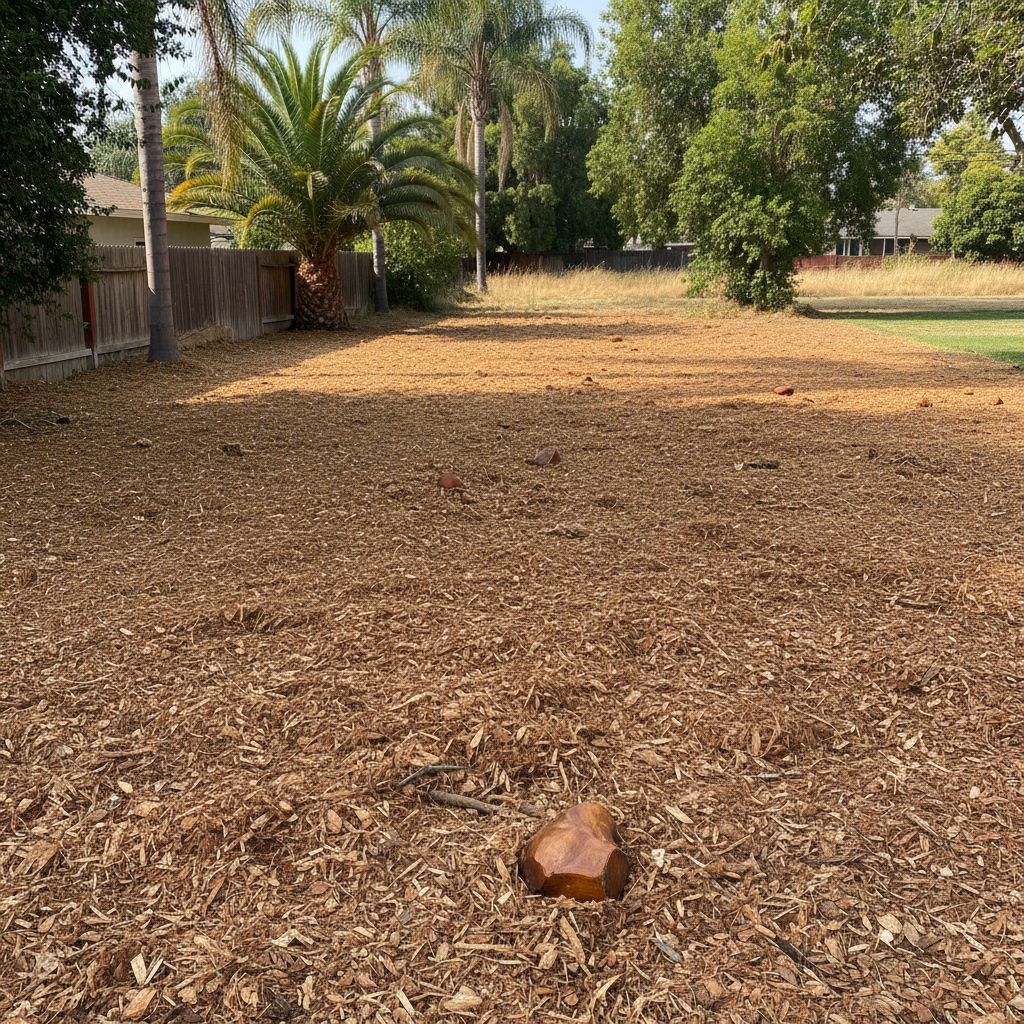
Thinking of Clearing Your Lot?
So, you've got a patch of land that needs clearing, maybe for a new shed, a bigger garden, or just to tidy things up. It's a common project for homeowners, and I've seen all sorts of approaches over the years. Some folks jump right in with a chainsaw, others stare at it for months, wondering where to even begin. The truth is, lot clearing isn't always a simple weekend warrior job, especially here in Garden Grove where properties can range from small, established suburban yards to larger, older lots that haven't seen much attention in decades.
Before you even think about firing up equipment, you need to know what you're dealing with. This isn't just about muscle; it's about smart planning and, frankly, safety. You've got to figure out what you can realistically tackle yourself and when it's time to pick up the phone and call someone like us at Garden Grove Tree Service.
Before You Start: Planning and Permits
Alright, first things first: permits. I know, I know, nobody loves dealing with city hall, but trust me, it's better than getting a stop-work order or a hefty fine. In Garden Grove, if you're removing significant trees, especially mature ones, you might need a permit. This isn't just for big development projects; it can apply to your backyard too. Check with the city's planning department. They'll tell you if the trees are protected species or if they meet certain size criteria that require approval before removal. You don't want to accidentally take down a heritage oak and find yourself in hot water.
Next, identify what's actually there. Is it mostly brush and small saplings? Or are there big stumps, dense root systems, or even old concrete slabs buried under the overgrowth? Knowing this upfront helps you choose the right tools and estimate your time and effort. Also, look for utility lines. You absolutely do not want to hit a gas line or an electrical conduit. Call 811 before you dig, every single time. It's free, and it could save your life.
What You Can Likely Handle Yourself
For smaller jobs, you can definitely save some money and get a good workout. If your lot clearing mainly involves:
- Removing small brush, weeds, and vines.
- Cutting down saplings (trees less than, say, 4-6 inches in diameter).
- Clearing out deadfall and fallen branches.
- Shoveling away loose debris or old landscaping materials.
Then you're probably good to go with some basic tools. Think heavy-duty gloves, safety glasses, loppers, a good hand saw, maybe a small chainsaw if you're comfortable and experienced with one, and a wheelbarrow. Renting a wood chipper for smaller branches can be a smart move too; it turns waste into useful mulch for your garden. Just be careful with chainsaws; they're not toys, and one slip can be serious. Always have a spotter if you're using one.
When to Call a Professional
Now, this is where a lot of homeowners get into trouble. There's a point where DIY stops being cost-effective or safe. You need to call in the pros when you're dealing with:
- Large trees: Anything over 6-8 inches in diameter, especially if it's tall, close to structures, or leaning. Tree removal is dangerous work, and it takes specialized equipment and training.
- Stump removal: Grinding out a big stump is a huge job. Professional stump grinders are powerful machines that can be dangerous if you don't know how to operate them. Plus, they're expensive to rent.
- Dense, established root systems: Some plants, like certain types of bamboo or even old bougainvillea, have incredibly tough, widespread root systems that are a nightmare to dig out by hand.
- Uneven or sloped terrain: Working on a hill with heavy equipment or even just a chainsaw increases the risk of accidents.
- Hazardous materials: If you suspect there might be old construction debris, asbestos, or other nasty stuff buried, don't touch it. Call an environmental cleanup specialist.
- Time constraints: If you need the job done quickly and efficiently, a professional team can clear a lot in a fraction of the time it would take you.
We've worked on properties in neighborhoods like the older parts of Garden Grove near Chapman, where you often find mature trees with extensive root systems that have been growing for decades. Trying to tackle that yourself is asking for trouble.
After the Clearing: What's Next?
Once the land is clear, you're not quite done. You'll have a lot of debris. Plan for disposal. Can you chip some of it for mulch? Do you need a dumpster? Or will a professional service haul it all away? Think about erosion control, especially if you've cleared a sloped area. You don't want your freshly cleared soil washing away with the next rain. Consider planting ground cover or laying down straw wattles to stabilize the soil.
Finally, think about what you're going to do with the space. If it's for planting, you might need to amend the soil. If it's for construction, you'll need to prepare the foundation. Clearing the lot is just the first step in transforming your property. It's a big job, but with the right approach – knowing when to DIY and when to call in the experts – you'll get it done safely and effectively.