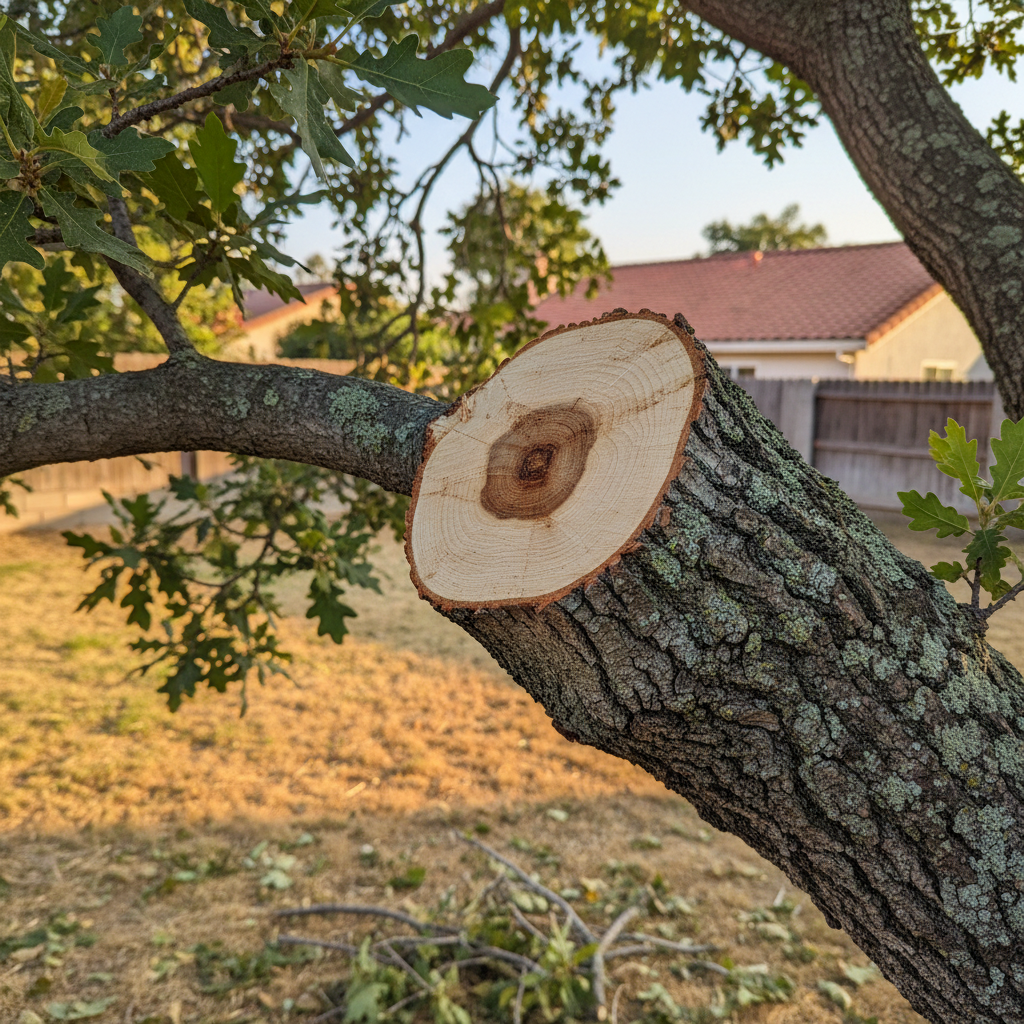
Before You Grab Those Pruners
So, you're looking at your trees and thinking it's time for a trim. That's a good instinct! Pruning is super important for a tree's health, safety, and even how it looks. But before you go all Edward Scissorhands, let's talk about what you need to know.
First off, understand why you're pruning. Are you trying to remove dead branches? Improve air circulation? Shape it up a bit? Each goal might mean a different approach. Don't just start cutting without a plan. You wouldn't build a house without blueprints, right? Same idea.
Next, consider the type of tree. Some trees, like citrus or many fruit trees common in older Garden Grove neighborhoods, respond really well to regular pruning. Others, especially mature shade trees, need a more delicate touch. Knowing your tree species helps a lot.
And here's a big one: safety. Are you comfortable on a ladder? Do you have the right tools? We're talking sharp, clean pruners, loppers, or a hand saw. Dull tools can tear bark, which is like an open wound for a tree, inviting disease. And never, ever use a chainsaw if you're not properly trained and equipped. Seriously, I've seen too many accidents that could've been avoided.
What You Can (Probably) Do Yourself
For most homeowners, there are definitely some pruning tasks you can handle. Think of it as light maintenance, not major surgery.
- Deadwood Removal: If you see small, dead branches (usually pencil-thick or less) that are easy to reach from the ground or a small step stool, go for it. Just make sure they're truly dead – no green under the bark.
- Sucker and Water Sprout Removal: These are those fast-growing, vertical shoots that pop up from the base of the tree or along branches. They don't contribute much to the tree's health and can be easily snipped off when they're young.
- Crossing/Rubbing Branches: If two small branches are rubbing against each other, one of them is going to lose. Pick the weaker or less ideally placed branch and remove it. Again, keep it to smaller branches you can reach safely.
- Light Shaping: For smaller ornamental trees or shrubs, you can do some light shaping to maintain their form. Just remember the 'less is more' rule. You can always take more off, but you can't put it back on.
Always make clean cuts, close to the branch collar (that slightly swollen area where the branch meets the trunk or a larger branch). Don't leave stubs, and don't cut flush into the trunk.
When to Call a Pro (Like Garden Grove Tree Service)
Alright, this is where I'm going to be blunt. There's a point where DIY stops being smart and starts being dangerous or damaging. Here's when you absolutely need to call in a professional tree service:
- Any Branch Over Your Head: If you need a ladder taller than a step stool, or if the branch is thicker than your wrist, it's time to call us. Falling from a ladder with a saw in your hand is no joke.
- Branches Near Power Lines: This is non-negotiable. Don't even think about it. Electricity doesn't mess around. Call the utility company first, then a pro.
- Large or Heavy Branches: Removing big branches requires specific techniques to control their fall and prevent damage to your home, fence, or even yourself. It's not just about cutting; it's about rigging and safety.
- Trees with Structural Issues: If your tree looks like it's leaning too much, has a split trunk, or just generally looks unhealthy and unstable, you need an expert assessment. We can spot problems you might miss.
- Crown Reduction or Thinning: These are advanced pruning techniques meant to reduce the overall size of the canopy or improve light penetration and air flow. Done incorrectly, you can seriously harm or even kill your tree.
- Palm Tree Trimming: Palm trees, especially the tall ones you see all over Garden Grove, are a different beast. Their fronds are heavy, and getting up there safely requires specialized equipment.
Look, I get it. You want to save a buck. But the cost of an emergency room visit, or repairing a damaged roof, or worse, replacing a beloved tree you accidentally killed, is way higher than hiring a professional. We've got the training, the insurance, and the right gear to do the job safely and correctly.
After the Cut
Once the pruning is done, whether by you or a pro, keep an eye on your tree. Look for signs of stress, like excessive sap weeping or leaves turning yellow. Most healthy trees will heal well after proper pruning. You don't need to apply any wound dressing or paint – that's an old myth that actually does more harm than good by trapping moisture and pathogens.
Just let the tree do its thing. It's designed to heal itself. And if you're ever in doubt about a cut, or if you've got a big job on your hands, don't hesitate to give Garden Grove Tree Service a call. We're here to help keep your trees healthy and your property safe.