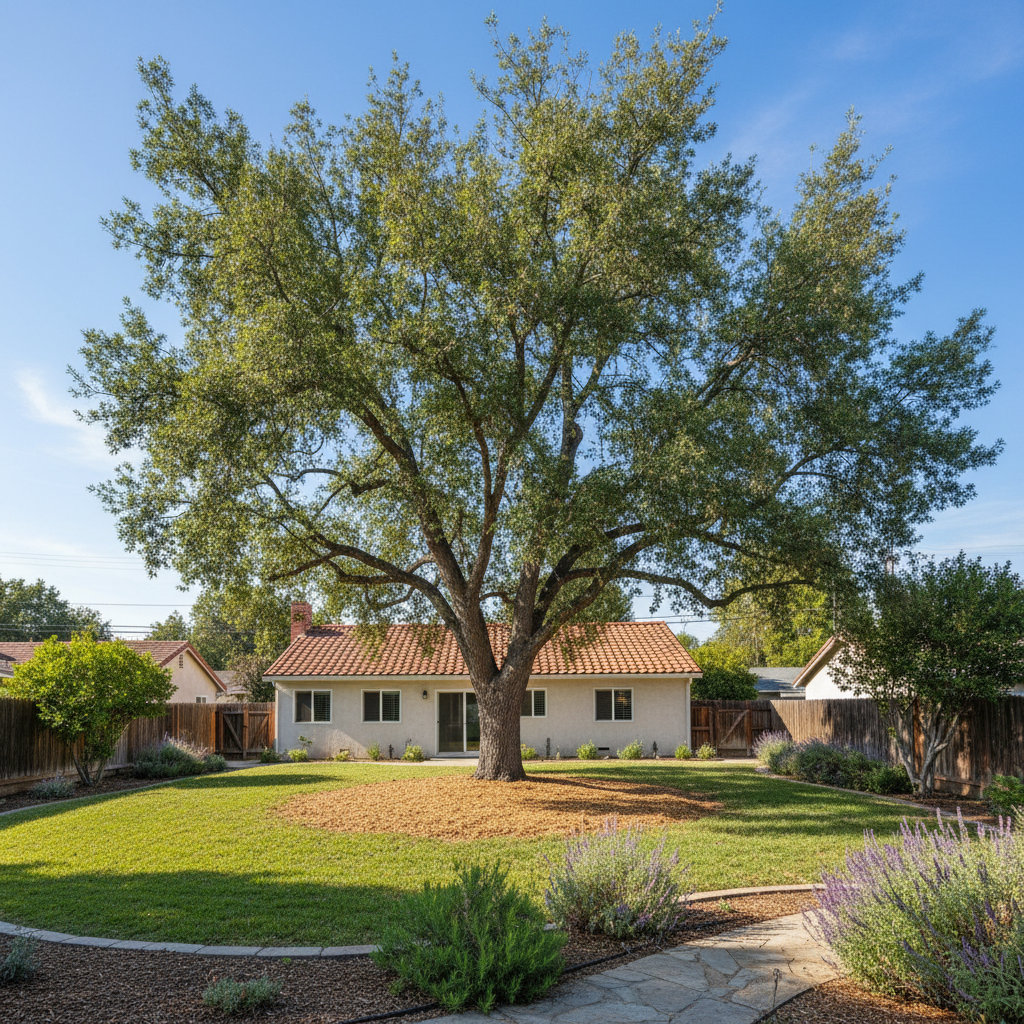
Your Trees, Your Investment: Making Them Last
Look, you put time, money, and effort into your property, and your trees are a big part of that. They add shade, beauty, and value. But just like anything else worth having, they need some looking after. You don't just plant a tree and forget about it, especially here in Garden Grove where our dry summers and occasional Santa Ana winds can really stress them out. I've seen too many folks neglect their trees until it's a crisis, and then the fix is way more expensive, or worse, the tree's a goner. My goal? To help you keep your trees healthy and strong for the long haul.
The Regular Grind: What Tree Maintenance Looks Like
Keeping your trees in good shape isn't rocket science, but it does take consistency. Think of it like taking care of your car; regular check-ups prevent major breakdowns. Here's what I recommend:
Watering, especially in our climate: This is huge, particularly for younger trees or during prolonged dry spells. Even mature trees benefit from deep, slow watering. We get those long, hot stretches here in Southern California, and if you're not giving your trees a good drink, they're going to suffer. Forget those quick sprinkles; you want water to penetrate deep into the soil, encouraging strong root growth. For many of our common landscape trees, like Liquidambars or even some of the native oaks, deep watering once every couple of weeks during summer is better than daily shallow watering.
Mulching: Spread a 2-4 inch layer of organic mulch (like wood chips) around the base of your tree, keeping it a few inches away from the trunk. This stuff is magic. It helps retain soil moisture, keeps weeds down, and slowly breaks down to feed the soil. It's a simple step that makes a huge difference.
Pruning for health and structure: This isn't just about making your tree look pretty. Strategic pruning removes dead, diseased, or crossing branches. It improves air circulation, strengthens the tree's structure, and can prevent future problems. You want to open up the canopy a bit, not just hack away at it. For most established trees, a good structural prune every 3-5 years is usually sufficient, but dead wood should be removed as soon as you spot it.
Inspecting regularly: Just walk around your tree once a month. Look at the leaves, the bark, the branches. It only takes a minute, and you'd be surprised what you might catch early.
Warning Signs: What to Watch Out For
Your trees can't talk, but they sure do show signs when something's not right. Don't ignore these red flags:
Discolored or wilting leaves: If leaves are turning yellow, brown, or dropping prematurely, especially outside of fall, that's a sign of stress. It could be a watering issue, nutrient deficiency, or even a pest problem.
Unusual growths or lesions on the bark: Cankers, fungal growths, or cracks can indicate disease or insect infestation. If you see something that looks like an open wound or strange mushroom-like growths, pay attention.
Dead branches or significant dieback: A few dead twigs are normal, but large dead branches or entire sections of the canopy dying back are serious. This could mean disease, root rot, or severe drought stress.
Pest activity: Look for insects themselves, but also their calling cards – chewed leaves, sticky residue (honeydew), sawdust around the base, or tiny holes in the bark. We deal with things like aphids and scale insects quite a bit here, and they can weaken a tree over time.
Leaning or structural issues: If your tree starts leaning suddenly, or you see cracks in the soil around the base, that's an emergency. It could be a sign of root failure or structural weakness, especially after heavy rains or strong winds.
When to Call in the Pros at Garden Grove Tree Service
You can handle a lot of the basic stuff yourself, but some jobs are just too big, too dangerous, or too complex for a DIY approach. Here's when you absolutely should pick up the phone:
Large branch removal or significant pruning: If you need to remove a branch that's thicker than your arm, or if the branch is high up, near power lines, or over your house, don't risk it. That's how accidents happen. We've got the right equipment and training for that.
Signs of disease or pest infestation: If you're seeing those warning signs I mentioned and you're not sure what's going on, or if what you've tried isn't working, get an expert opinion. Early diagnosis can save your tree.
Tree removal: This one's obvious. Taking down a whole tree, especially a mature one, is a serious job that requires specialized skills and equipment.
Storm damage: After a big storm, if you have broken branches hanging precariously or a tree that's partially uprooted, call us. It's dangerous work, and we can assess the damage safely.
Planting large trees: Getting a new tree off to the right start is critical. We can help with proper species selection for our local soil conditions (which can be pretty compacted in some of the older Garden Grove neighborhoods) and ensure it's planted correctly for long-term health.
Ultimately, your trees are living things, and they respond to good care. A little attention now can prevent a lot of headaches and expense down the road. Keep an eye on them, give them what they need, and don't hesitate to reach out to Garden Grove Tree Service if you've got a question or a problem that's beyond your comfort zone.