Thinking About Clearing Your Lot?
So, you've got a piece of land in Garden Grove that's looking a little wild, maybe you're planning a new addition, or just want to reclaim some space. Lot clearing isn't just about hacking away at whatever's there. It's a project that needs some real thought, and frankly, some muscle. As someone who's been doing this kind of work around here for years, I've seen it all – good jobs, bad jobs, and everything in between. Let's break down what you need to know before you even think about firing up a saw.
Before You Start: Planning & Permits
First things first: don't just start clearing. You've got to know what you're dealing with. Is it just brush and small saplings, or are there mature trees? In Garden Grove, especially with our older neighborhoods like the ones around Chapman and Euclid, you often find established trees that might be protected. You absolutely need to check with the city's planning department about any permits required, especially if you're taking down significant trees. There are rules about tree removal, even on your own property, to protect our urban canopy.
Next, identify what you're keeping and what's going. Mark it clearly. Think about drainage too. Removing a lot of vegetation can change how water flows on your property, and you don't want to create new erosion problems or flood your neighbor's yard when the winter rains hit. This is also the time to call 811 to get underground utilities marked. You don't want to hit a gas line or an electrical conduit with a shovel or a piece of heavy equipment. Trust me, that's a mistake you only want to make once, if ever.
What You Can DIY vs. When to Call a Pro
Alright, let's talk about what you can realistically tackle yourself. If it's just light brush, weeds, small shrubs, or saplings with trunks less than a couple of inches thick, you can probably handle that with some good hand tools, a brush cutter, or a small chainsaw. Things like:
- Pulling out small weeds and vines by hand.
- Cutting down thin brush with loppers or a machete.
- Using a string trimmer or brush cutter for tall grasses and light undergrowth.
- Hauling away small debris to your green waste bin or a local dump.
That's all fair game for a determined homeowner. Just make sure you've got the right safety gear: gloves, eye protection, sturdy shoes, and long sleeves. You'd be surprised how many minor injuries happen on these kinds of jobs.
Now, when do you call in the big guns? Anytime you're dealing with:
- Large trees: Anything over, say, 6-8 inches in diameter. These require specialized equipment, experience, and knowledge of felling techniques to do safely.
- Trees near structures or power lines: This is a huge safety risk. One wrong cut and you're looking at major property damage or worse.
- Stumps: Grinding out stumps is messy and requires heavy machinery. You can rent a grinder, but they're powerful and can be dangerous if you're not experienced.
- Dense, overgrown areas: If it's a jungle out there, a professional crew with chippers, skid steers, and proper hauling equipment will clear it in a fraction of the time and do it safely.
- Hazardous materials: Sometimes you uncover old junk, asbestos, or other nasty stuff. Leave that to the pros who know how to handle it.
For anything beyond basic brush, it's usually smarter and safer to call a professional lot clearing service, like us at Garden Grove Tree Service. We've got the tools, the training, and the insurance to get it done right without you risking life and limb or your property.
During the Clearing Process
If you're doing some of the work yourself, stay organized. Create piles for different types of debris: wood that can be chipped, green waste, and anything that needs to go to the landfill. This makes cleanup much easier. Work systematically, from one end of the area to the other, rather than jumping around.
If you've hired a crew, make sure you're clear on the scope of work upfront. Walk the property with them, point out exactly what stays and what goes. A good contractor will confirm everything before they start cutting.
After the Clearing: Cleanup & Next Steps
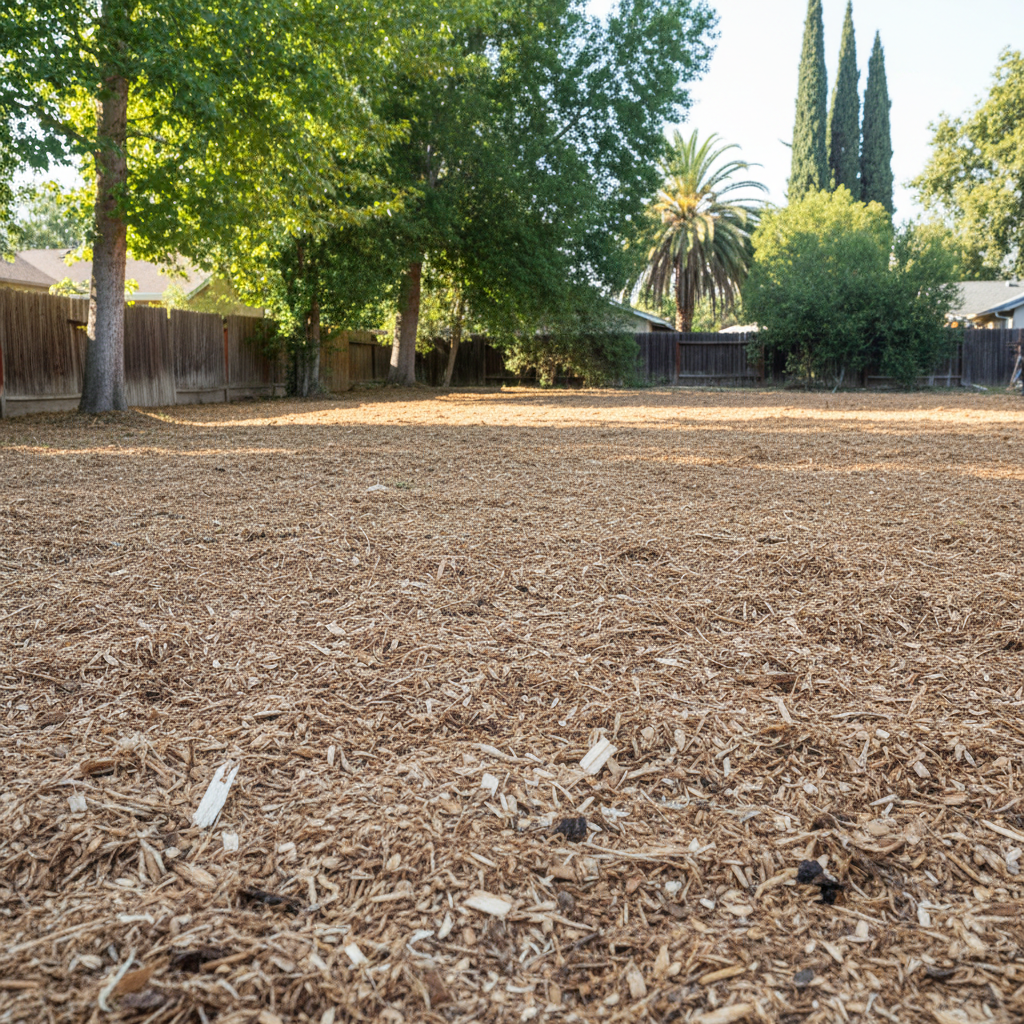
Once the clearing is done, the job's not over. You'll have a lot of debris. For smaller jobs, you might be able to use your city green waste bins or take loads to a local transfer station. For bigger projects, a professional service will chip the brush and haul away the larger wood. You might even be able to get some of the wood chipped into mulch for your garden beds, which is a nice bonus.
Now you've got a clean slate. What's next? You might want to consider grading the land to ensure proper drainage and prepare it for whatever you're planning. If you've got exposed soil, especially on a slope, think about planting ground cover or laying down mulch to prevent erosion. Our sandy loam soil here in Garden Grove can wash away pretty easily if it's left bare during a heavy rain.
Lot clearing is a big job, but with careful planning and knowing when to call in help, you can get it done safely and effectively. Don't hesitate to reach out if you've got questions about your specific project. We're always here to help fellow Garden Grove homeowners.